


Restaurant Budgeting for 2026:Maximizing Profitability with StrategicSupply Chain Partners

Updated: Aug 25, 2025
Essential Insights and Actionable Strategies for Restaurant Owners and
Managers
As the restaurant industry heads into 2026, the importance of robust budgeting and strategic
supply chain partnerships has never been greater. With shifting market dynamics, rising costs,
and evolving consumer expectations, restaurant owners and managers must adopt a proactive
approach to financial planning. This post explores the core components of restaurant budgeting,
the key trends shaping the industry, and practical strategies for optimizing budgets—emphasizing
the pivotal role of supply chain partners.
Core Budgeting Components and Benchmarks
Effective restaurant budgeting starts with a clear understanding of all revenue streams and cost
centers. A strong budget not only forecasts income and expenses but also guides strategic
decisions throughout the year.
Detailed Cost and Revenue Calculations
Analyze Past Sales and Costs: Review historical sales data and expense reports to
identify patterns, seasonal fluctuations, and areas for improvement. This forms the
foundation for setting realistic budget targets.
Set Budget Targets: Establish clear financial goals for revenue, cost of goods sold
(COGS), labor, and other expenses. Use industry benchmarks to ensure targets are
competitive and attainable.
Regular Monitoring: Track performance against budgeted figures monthly or quarterly.
Adjust forecasts as needed to reflect changing business conditions.
Key Budget Components and Recommended Benchmarks
Component | Description | Recommended Benchmark (% of Sales) |
Food & Beverage Costs (COGS) | Raw ingredients, beverages, supplies | 25–35% |
Labor Costs | Wages, salaries, benefits, payroll taxes | 25–30% |
Operating Expenses | Rent, utilities, marketing, insurance, supplies | 15–20% |
Capital Expenditures | Equipment, renovations, technology upgrades | Variable (plan annually) |
Contingency Funds | Emergency reserves for unexpected costs | 3–5% |
Key Trends and Challenges Impacting Restaurant Budgets in 2026
Budgeting in 2026 demands attention to several emerging challenges and trends:
Rising Costs: Global inflation, supply chain disruptions, and increased ingredient prices
are driving up food, beverage, and operating costs.
Labor Shortages: Competition for talent continues, requiring higher wages and benefits,
as well as investment in training and retention.
Technological Integration: Automation, ordering platforms, and data analytics are now
essential, but require upfront investment and ongoing support.
Growth of Delivery and Ghost Kitchens: Off-premise dining and virtual kitchen models
are expanding, changing the revenue mix and cost structure.
Personalization: Guests expect tailored experiences, from customized menus to loyalty
programs, which can impact marketing and technology budgets.
Strategies for Budget Optimization
To thrive in this evolving landscape, restaurants must seize opportunities to optimize their
budgets and strengthen supply chain relationships:
Menu Engineering: Analyze menu performance to highlight high-margin items and
remove under performers. Adjust pricing and portion sizes to maximize profitability.
Inventory Control: Implement real-time tracking of inventory to reduce waste, prevent
theft, and ensure efficient use of resources.
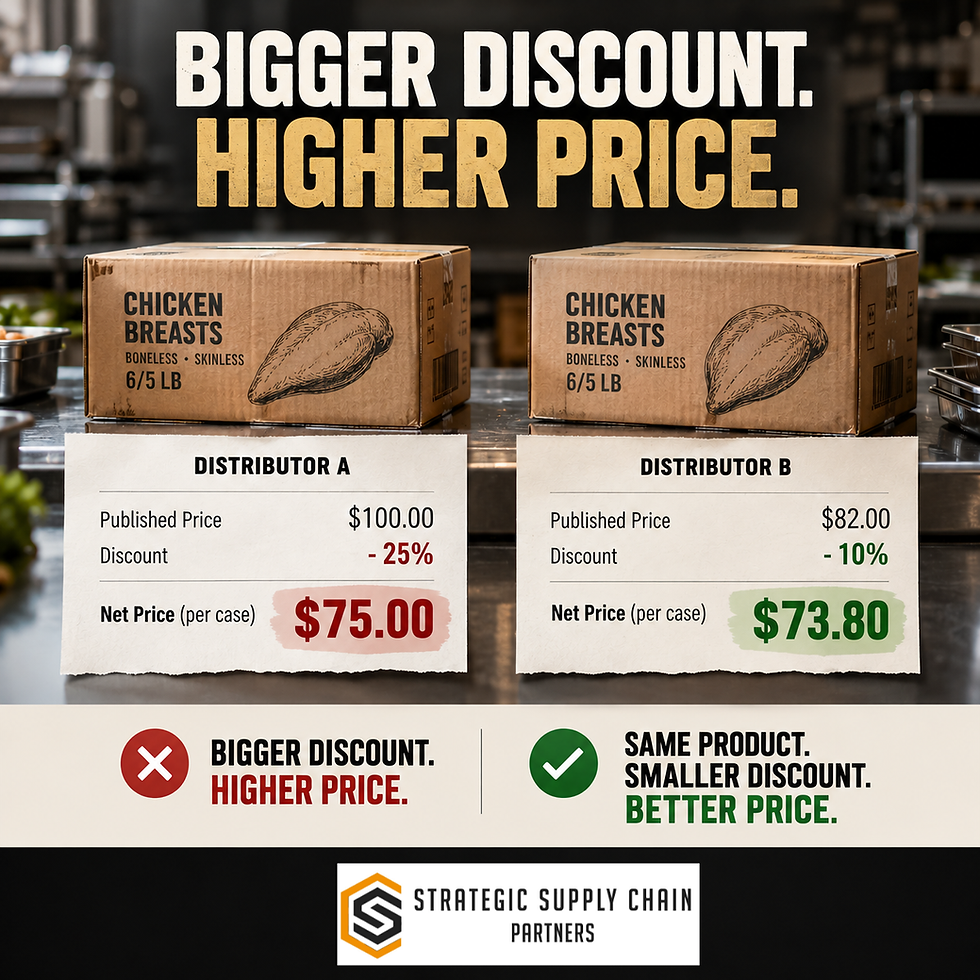
Supplier Negotiation: Build strong partnerships with Strategic Supply Chain Partners.
Negotiate favorable terms, explore bulk purchasing, and collaborate on demand
forecasting to secure reliable, cost-effective supplies.
Technology Adoption: Invest in point-of-sale systems, Back Office inventory
management software, and data analytics to streamline operations and inform decision-
making.
Focus on High-Margin Items: Promote menu items with the highest profit margins and
align marketing efforts to boost their sales.
Cross-Training Staff: Enhance flexibility and efficiency by training employees to perform
multiple roles, reducing labor costs and improving service.
Building a Strong Financial Foundation: Maintain transparent financial processes,
regularly review budgets, and adjust quickly to market changes.
Conclusion: Building Resilience and Profitability through Strategic Budgeting and Partnerships
In 2026, successful restaurant budgeting will hinge on a balanced approach—combining
meticulous financial planning with the power of strategic partnerships. By understanding core
budgeting components, staying ahead of industry trends, and implementing practical
optimization strategies, restaurant owners and managers can build lasting resilience and
profitability. Now is the time to strengthen relationships with strategic partners, embrace
technology, and foster a culture of continuous improvement to thrive in the years ahead.
Micah Moore
SVP Business Development | Partner


Comments